
🔥 Wildfire Evacuation Damage Claims
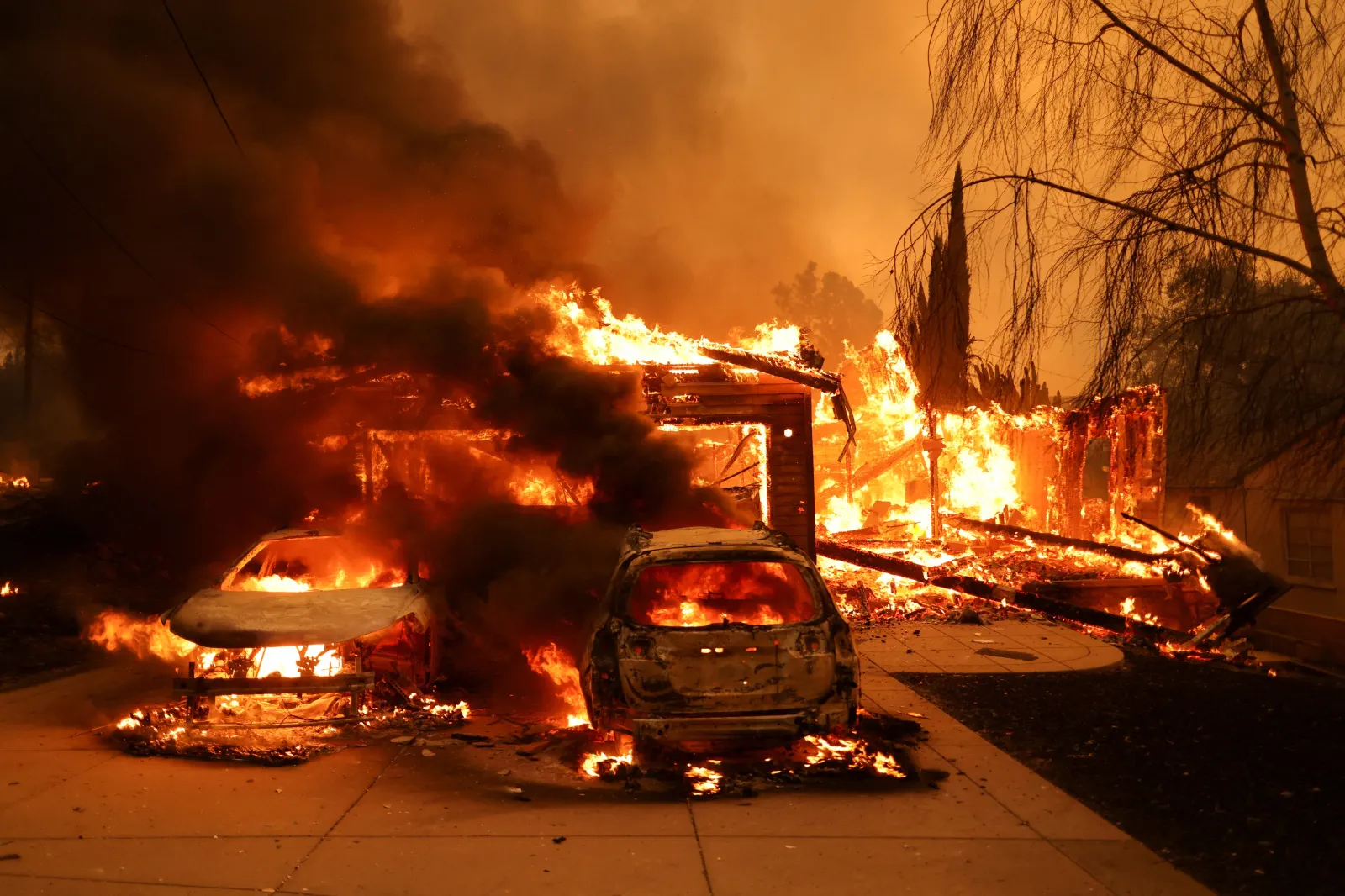
Wildfires are devastating natural disasters that can leave significant damage in their wake, particularly when it comes to the safety of residents, their homes, and the environment. For many homeowners affected by these events, filing an insurance claim becomes an essential part of recovering from the destruction caused by smoke, ash, and contamination.
🏚️ The Impact of Wildfires on Property
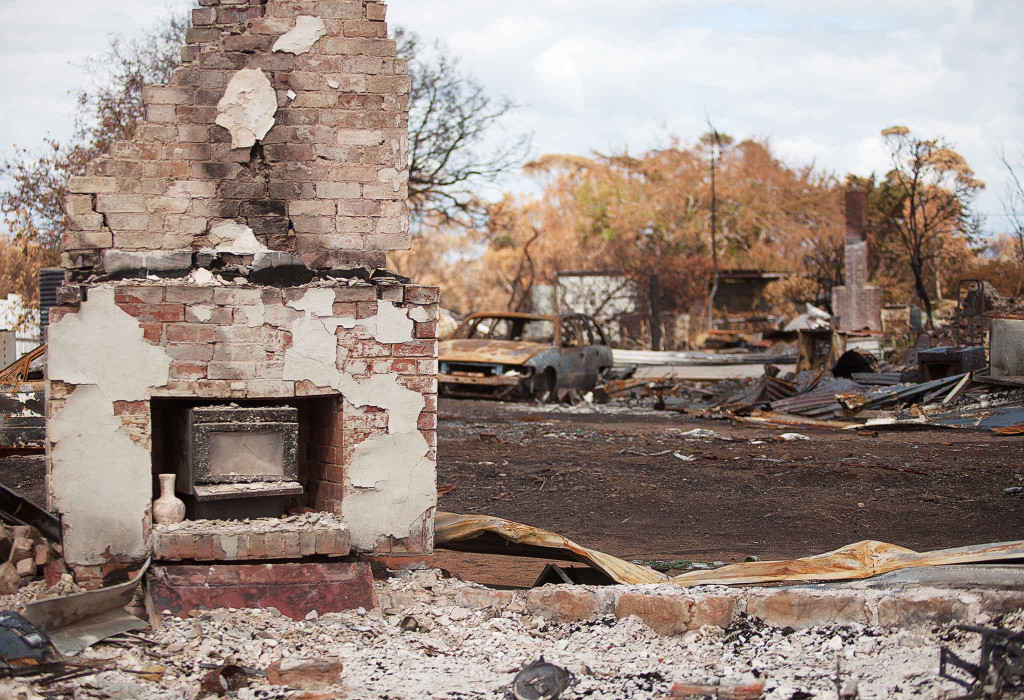
Wildfires don’t just pose a direct threat to homes; they can cause widespread damage from smoke and ash. Even properties that are not directly in the path of the fire can suffer from the pervasive effects of airborne ash and the toxic contaminants smoke leaves behind. The damage from these sources can be extensive and is often more difficult to quantify than typical fire or structural damage.
In the aftermath of a wildfire, homeowners need to assess the full scope of the damage to ensure that their insurance claims cover all aspects of the loss. This includes damage to the interior and exterior of the home, air filtration systems, and other areas where smoke damage may be present. Unfortunately, many homeowners find themselves unsure of how to approach these claims or what specific aspects of the damage their policy covers. This is where professional help becomes invaluable.
📋 What Is Covered in Wildfire Insurance Claims?
Wildfire loss issues typically fall under the category of fire damage, but it’s crucial to understand that smoke and ash damage may be categorized separately in some policies. Insurance coverage for wildfire damage can vary based on the specific policy and the insurer’s terms. Typically, smoke-related property insurance will cover damage caused by smoke infiltration into the home, including stained walls, soot accumulation, and lingering odors. It may also cover the cleanup of ash contamination that has settled on surfaces, which can cause corrosion and further damage if left untreated.
One of the primary complications with wildfire insurance claims is determining the exact cause of the damage. For example, if the damage was caused by ash and smoke, it may be treated differently than direct fire damage. While fire damage is often straightforward to assess, smoke and ash damage claims require a more detailed investigation to determine the extent of the damage and the associated costs for repair and restoration.
🧾 Filing an Ash Contamination Claim
Ash contamination issues can be more complicated than typical fire damage claims due to the subtle nature of the damage. Ash can infiltrate nearly every surface in a home, including upholstery, carpeting, and HVAC systems, requiring significant cleanup and restoration. If ash contamination is not properly addressed, it can result in long-term health problems for residents, especially those with respiratory conditions.
To file a successful ash contamination claim, it’s crucial to document the presence of ash in every part of the home. This includes taking photographs of ash deposits, having the HVAC system inspected for contamination, and identifying areas where the damage is most severe. Additionally, many insurers will require a professional evaluation of the damage to provide an accurate estimate of the necessary repairs. Working with a public adjuster who understands the nuances of ash contamination claims can help ensure that you don’t overlook any part of the damage that needs to be addressed.
💨 Navigating Smoke Damage Insurance Claims
Smoke damage insurance claims can be just as complex as ash contamination claims. Smoke can seep into walls, ceilings, and other areas of the home that are difficult to access or treat. In many cases, smoke damage is not immediately visible, making it more challenging to file a comprehensive claim. It’s important to document all visible smoke damage and to keep track of any lingering odors or air quality issues that may indicate further contamination.
Additionally, smoke damage can affect personal belongings, including furniture, clothing, and electronics. Depending on the severity, insurers may provide compensation for the replacement or cleaning of these items. However, documenting these items and their condition is crucial to ensuring a successful claim.
🧑💼 The Role of a Public Adjuster in Wildfire Claims
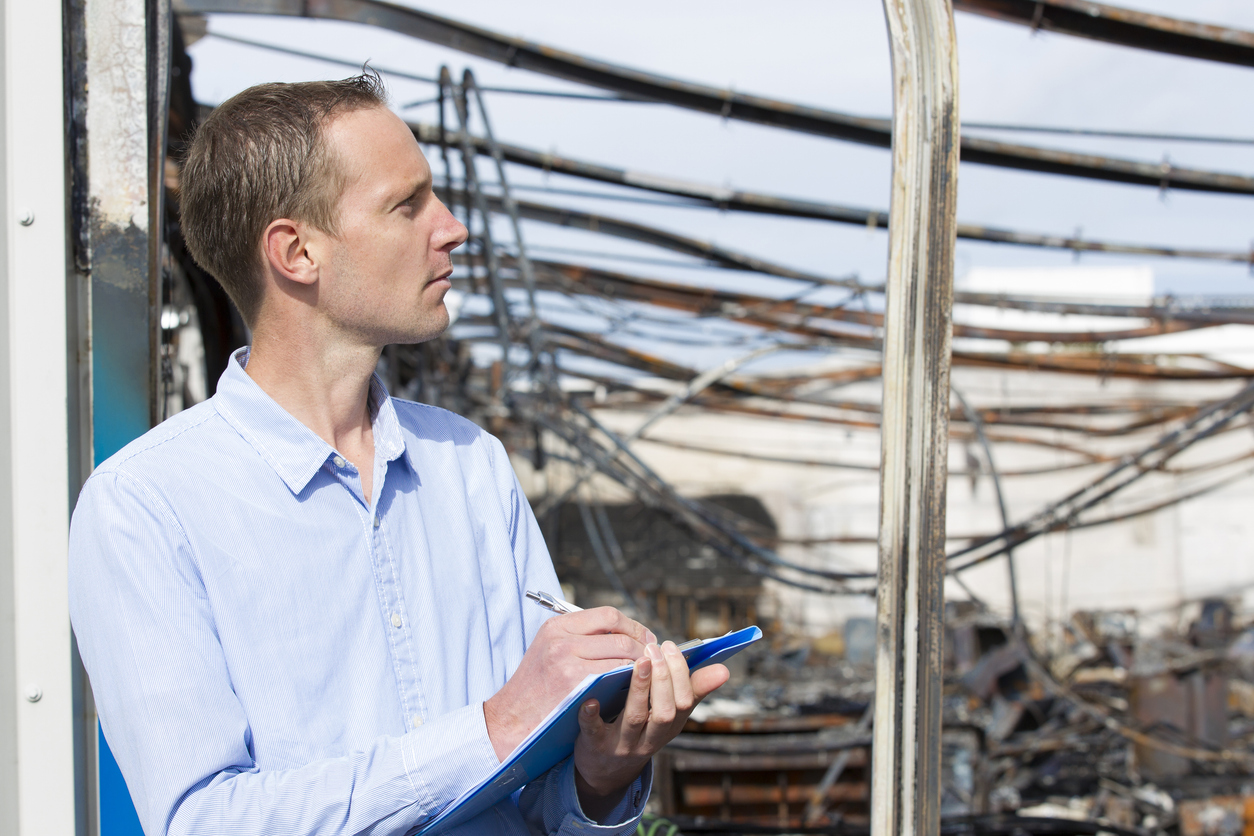
Filing a wildfire insurance claim, especially for damage caused by smoke and ash, can be a complex and time-consuming process. This is where a public adjuster wildfire specialist can help. A public adjuster works on behalf of the homeowner, not the insurance company, to ensure that claims are handled fairly and that all aspects of the damage are accounted for.
A public adjuster can assist in several ways:
- Reviewing Your Policy: They help you understand what is covered under your specific policy and whether it includes smoke damage, ash contamination, or evacuation-related losses.
- Documenting the Damage: Public adjusters are experts at assessing damage from smoke and ash contamination, ensuring that nothing is overlooked during the claims process.
- Negotiating with the Insurer: They help negotiate a fair payout, ensuring that the insurance company does not undervalue your claim.
- Maximizing Your Payout: With a public adjuster on your side, you can increase the likelihood of receiving the full compensation you’re entitled to.
In situations where the insurance company offers a settlement that seems insufficient, a public adjuster can advocate on your behalf and even assist in appealing the decision.
🚨 Ensuring Fair Evacuation Damage Payouts
Wildfires often force evacuations, and some homeowners may not realize that evacuation-related damage may also be covered by their insurance. If your home was evacuated due to an imminent wildfire, certain policies may offer coverage for additional living expenses incurred during the evacuation. This can include the cost of temporary housing, food, and transportation.
It’s important to clarify these coverage details with your insurance provider to ensure that your evacuation damage payout is comprehensive. A public adjuster can help review your policy to determine if evacuation-related costs are covered and assist with the claims process to ensure you receive fair compensation.
✅ Final Considerations for Wildfire Claims
Dealing with the aftermath of a wildfire is incredibly stressful, especially when it comes to navigating the insurance claims process for smoke and ash damage. Ensuring that all aspects of your damage are documented and properly addressed is essential for receiving a fair payout. Whether you’re dealing with smoke restoration insurance, ash damage claims, or an evacuation damage payout, working with a public adjuster can significantly streamline the process.
By enlisting the help of an experienced claims professional, you can focus on recovering from the emotional and physical toll of the wildfire, knowing that your insurance claim is in good hands.