
🔥 Wildfire Smoke vs Fire Damage Claims
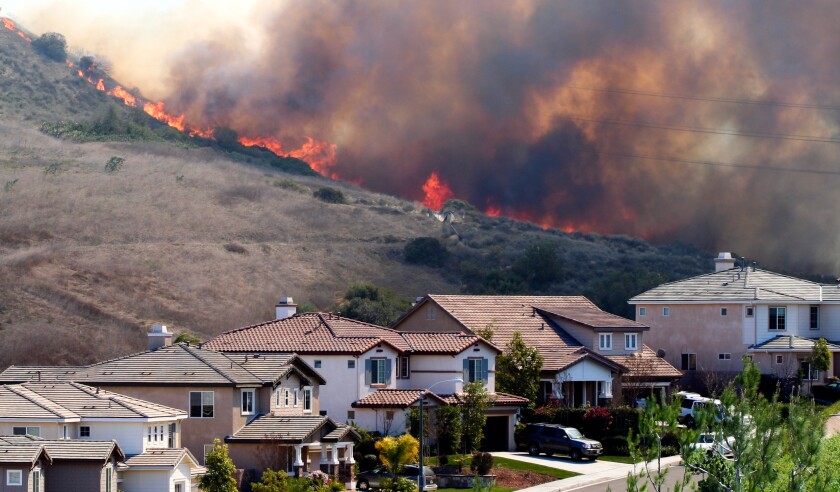
When a wildfire sweeps through an area, it leaves behind devastation that can affect both the structure of homes and the air quality. While it’s clear that fire damage is a direct consequence of the flames, the effects of wildfire smoke can be just as damaging, if not more insidious. These two types of damage, while often occurring together, require distinct approaches when it comes to insurance claims. Understanding the differences between wildfire smoke insurance and fire destruction claims is essential for homeowners seeking full compensation for their losses.
🔥 Fire Damage vs Smoke Damage: What’s the Difference?
Fire damage typically refers to the physical destruction caused by flames, heat, and direct contact with fire. This could include the burning of structural components like walls, roofs, windows, and furniture.Fire-related property claims are straightforward and often easier to file because the damage is visible, and the connection to the wildfire is direct.
On the other hand, smoke damage occurs when smoke from the wildfire infiltrates a property, leaving behind soot, ash, and harmful chemicals that can contaminate surfaces, air ducts, and fabrics. Smoke damage can be less visible than fire damage, making it harder to detect and more difficult to claim under a standard policy. Smoke can seep into walls, floors, and ventilation systems, causing long-term health risks and requiring professional cleaning.
🧾 Handling Fire Damage Claims

Fire damage claims are among the most straightforward claims when it comes to natural disasters. Since the damage is generally obvious—burnt walls, scorched roofs, and charred furniture insurance companies are typically quick to assess the damage and approve claims. However, it’s still essential to document everything carefully. Homeowners should take photos of the fire damage, make a list of destroyed or damaged items, and avoid discarding any damaged property until the insurance adjuster has had a chance to evaluate it.
Filing a damage from fire claims is a necessary first step to begin the recovery process. Homeowners should notify their insurance companies immediately and ensure they follow all necessary steps to protect their property from further damage, such as boarding up windows or securing a temporary shelter.
🌫 Navigating Wildfire Smoke Damage Insurance Claims

Unlike fire damage, wildfire smoke damage is trickier to assess and claim. Smoke may not immediately burn or destroy items, but it can wreak havoc on a home in ways that aren’t always visible. Smoke residue can lead to lingering odors, discoloration of walls, and contamination of upholstery, carpets, and personal belongings. Most importantly, it can damage your HVAC system and air ducts, leading to costly cleaning or replacement.
Wildfire smoke insurance coverage is not always included in a standard homeowners’ policy, which can lead to confusion and frustration for homeowners trying to recover their losses. Some policies may only cover smoke damage if it is tied directly to fire damage, while others may include separate coverage for smoke or air quality damage resulting from a wildfire.
If smoke damage is extensive, homeowners may need to hire professionals to clean the affected areas, especially when it involves removing soot and cleaning air ducts. Smoke also has the potential to trigger or worsen health problems, particularly for those with respiratory issues or allergies, which can add to the cost of recovery.
📝 Filing an Insurance Claim for Wildfire Smoke Damage
When dealing with smoke damage vs fire damage, the process for filing claims differs. A fire damage claim typically involves obvious repairs or replacements of destroyed property. However, smoke damage can be more difficult to prove because the damage may not be immediately visible or may appear as lingering odors or minor discoloration.
To ensure that smoke damage is properly compensated, it’s essential to:
📸 Document everything: Take photos and videos of the affected areas, even if the damage appears minimal.
🧼 Seek professional help: Hire professionals to clean and assess the damage. Smoke residue is often deeply ingrained in fabrics and materials.
🔍 Identify hidden damage: Smoke can travel through walls and ventilation systems, making it essential to inspect areas like air ducts, HVAC systems, and carpets.
👨💼 The Role of a Public Adjuster in Wildfire Claims
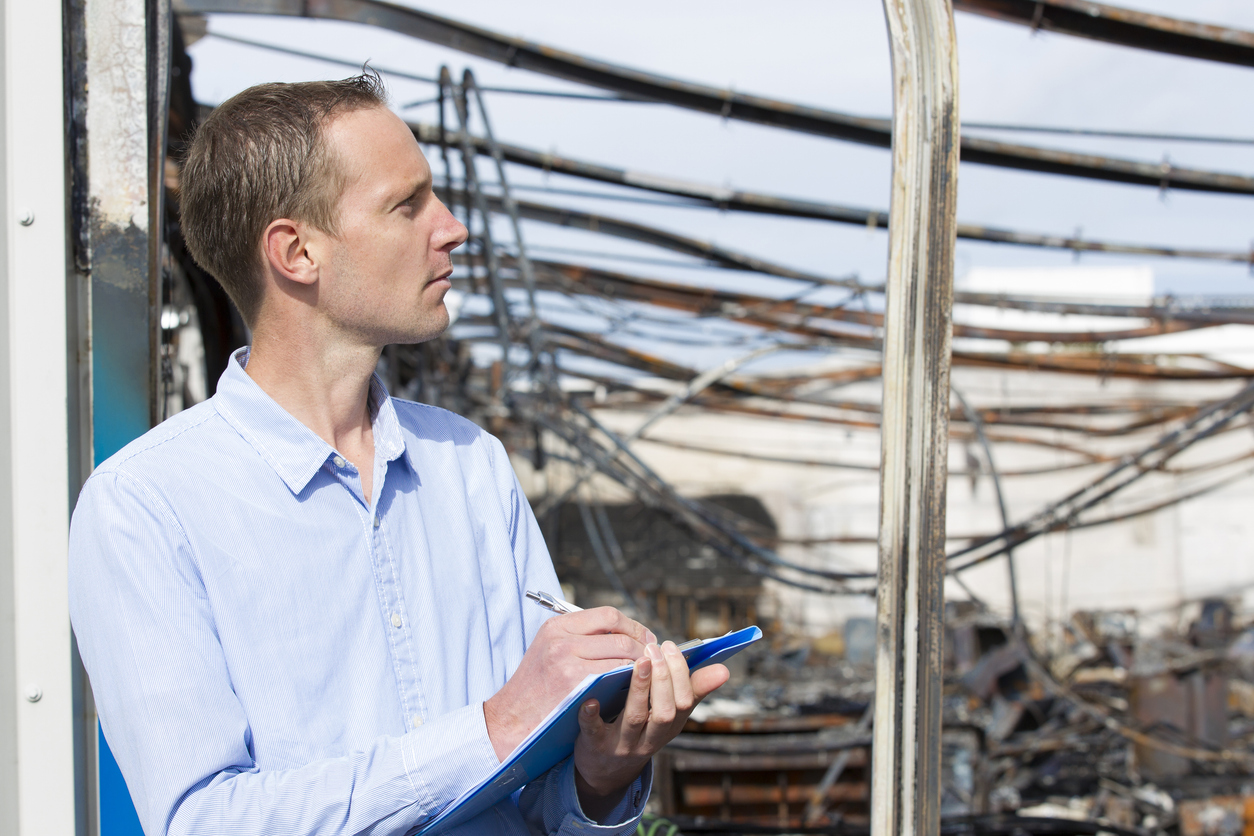
Filing an insurance claim wildfire can be a complicated and time-consuming process, especially when smoke damage is involved. This is where a public adjuster wildfire can help. Public adjusters are experts in the claims process and work on behalf of homeowners to ensure they receive the maximum payout possible for both fire and smoke damage.
A public adjuster can evaluate the full extent of the damage, including hidden smoke residue in ducts or on surfaces that homeowners may have missed. They can also handle negotiations with the insurance company to ensure that the claim is processed fairly. In many cases, a public adjuster can help homeowners get a larger settlement, especially in complex claims where smoke damage is involved.
📊 Key Differences in Claiming Smoke and Fire Damage
While both smoke and fire damage are often a result of the same wildfire, the way they are handled by insurance companies can be quite different:
🔥 Fire damage claims are typically straightforward because the damage is visible and easily quantified. Insurance adjusters generally approve these claims quickly.
🌫 Smoke damage claims require a more thorough investigation because the damage is not always immediately visible. Homeowners need to prove that smoke has infiltrated their home and caused significant damage, often with the help of a professional cleaning or restoration service.
⚠️ Insurance Gaps and Smoke Damage
One common issue homeowners face when filing claims for wildfire-related damages is insurance gaps. Many policies do not cover smoke damage or provide only limited coverage for it, making it essential for homeowners to understand the specifics of their insurance. Before filing a claim, it’s crucial to review your policy to ensure that wildfire smoke is included under your coverage.
If smoke damage is not fully covered under your current policy, homeowners may need to consider purchasing additional coverage or endorsements that address this specific risk in the future.