
 Raccoons in the Attic? What It Might Cost You
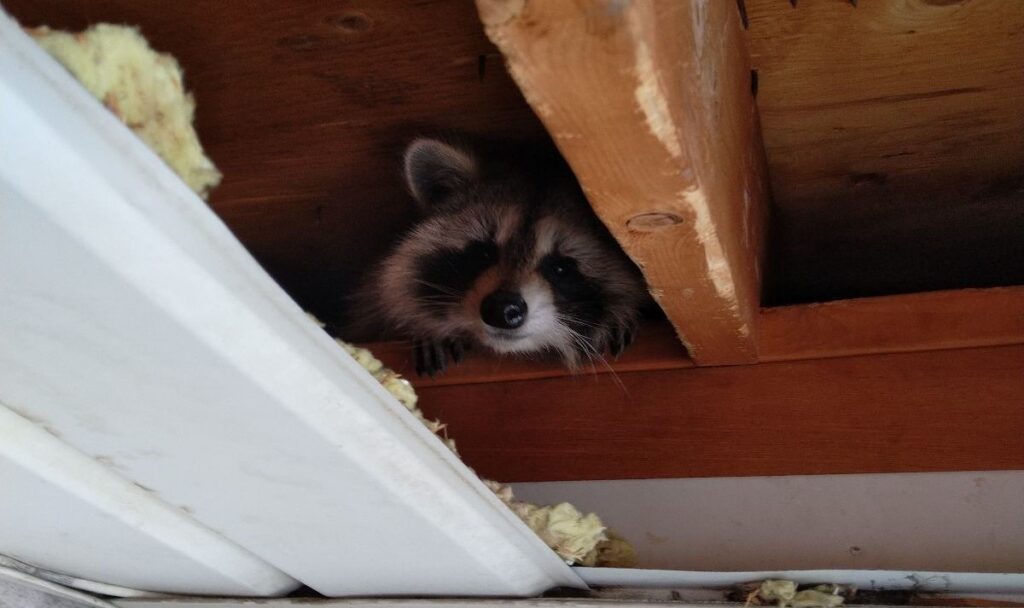
If you suspect raccoons have taken residence in your attic, you’re not alone. These clever creatures can cause serious raccoons in attic damage, leading to costly repairs and potential insurance headaches. In this blog, we’ll examine the real financial impact of having raccoons in your attic, from the damage they cause to the health risks they bring, and why it’s crucial to have expert help when dealing with such an issue.
 What Type of Damage Can Raccoons Cause?
Raccoons are known for their ability to tear through attics, creating substantial damage that can be costly to repair. While attic damage from raccoons can vary depending on the situation, common issues homeowners face include:
Insulation Damage
One of the most obvious signs of a raccoon invasion is insulation destruction. These animals often shred insulation to build their nests, which can affect your home’s energy efficiency.
Ductwork Damage
Raccoons are known to gnaw on various materials, including your HVAC ducts. This can cause leaks and affect the airflow in your home, leading to increased utility bills and system inefficiency.
Structural Damage
Critters are persistent, and they may damage your home’s structure as they search for entry points. Broken beams, damaged roofing, and chewed wiring are all possibilities that could lead to expensive repairs.
 Health Hazards: More Than Just Property Damage
The risks of having raccoons in your attic extend beyond just property damage. These animals can carry diseases such as rabies and leptospirosis, along with parasites like fleas and ticks, which can pose serious health risks to humans and pets. The urine and feces left behind can contaminate the air and increase the potential for disease transmission.
The presence of raccoons can turn an otherwise safe living space into a health hazard, making it critical to address the situation quickly and efficiently.
 Why Insurance Claims May Be Challenging
Many homeowners are surprised to learn that critters in attic damage may not always be covered by standard homeowners’ insurance policies. Insurers often have exclusions for certain types of damage, especially when caused by wildlife. This can leave homeowners facing significant repair costs without the assistance of their insurer.
In these cases, it’s essential to work with a public adjuster, who can help you navigate the complex insurance process. A public adjuster will ensure that the damage is thoroughly documented and help you advocate for a fair settlement.
 What Steps to Take After Discovering Raccoons in Your Attic
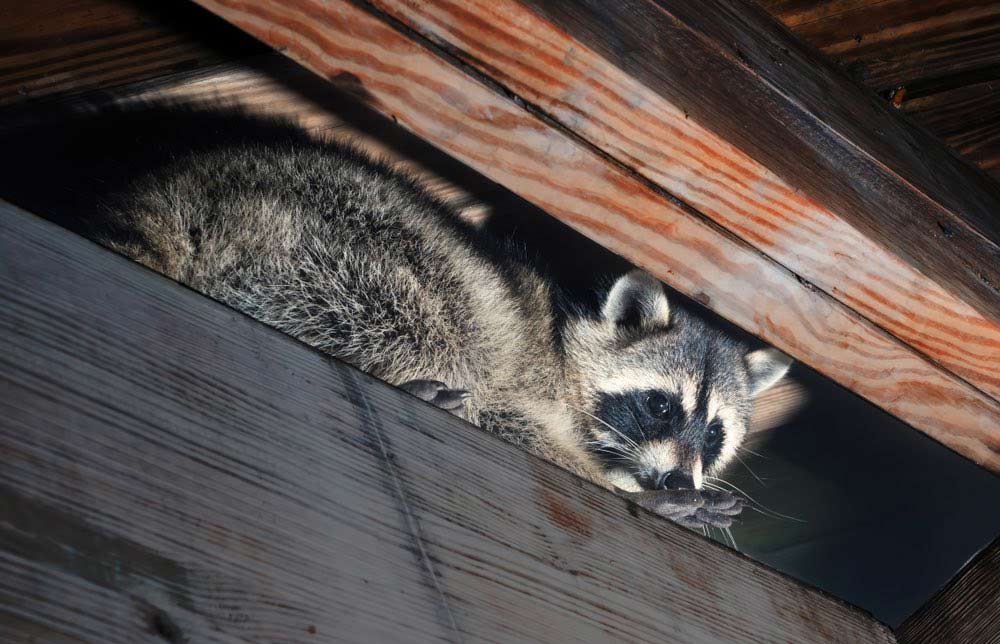
If you find that furry intruders have taken over your attic, it’s important to take immediate action. Here’s what you should do:
Contact Wildlife Removal Experts
The first step is to remove the raccoons safely. A professional wildlife removal service will ensure the animals are trapped and relocated humanely.
Document the Damage
Once the raccoons are gone, it’s important to assess the damage. Take clear photos of any damage, such as shredded insulation, ductwork, and structural issues. This documentation will be essential when filing your insurance claim.
Call a Public Adjuster
If you’re facing issues with your insurance claim, a public adjuster can help you navigate the process and ensure that you’re receiving the compensation you deserve for raccoon damage in the attic space.
 How Public Adjusters Can Help
While dealing with furry intruders in your attic might seem overwhelming, a public adjuster can make the process easier. Here’s how they can help:
- Thorough Documentation: Public adjusters ensure that all the damage caused by raccoons is properly documented, from structural issues to health hazards.
- Expert Negotiation: If your insurance company denies your claim or offers a low settlement, a public adjuster can negotiate on your behalf to secure a fair payout.
- Stress Relief: Handling the logistics of the claim can be stressful. A public adjuster takes on this responsibility, allowing you to focus on restoring your home.
 What Might It Cost You?
The financial impact of raccoon-related property damage can be significant. The costs to repair or replace insulation, ductwork, and structural components can range from hundreds to thousands of dollars. Moreover, removing the raccoons and sanitizing the attic may add additional costs.
By hiring a public adjuster for your raccoon damage claim, you can help ensure that these expenses are covered by your insurance, saving you money in the long run.
 Protecting Your Home from Future Damage
Roof damage can be costly both in terms of repair expenses and health risks. To avoid paying out-of-pocket for repairs, it’s important to act quickly, document the damage, and consult with a public adjuster. They can guide you through the claims process, ensuring that you receive fair compensation for the damage caused by raccoons.