
 Hurricane Damage: What to Do in the First 48 Hours
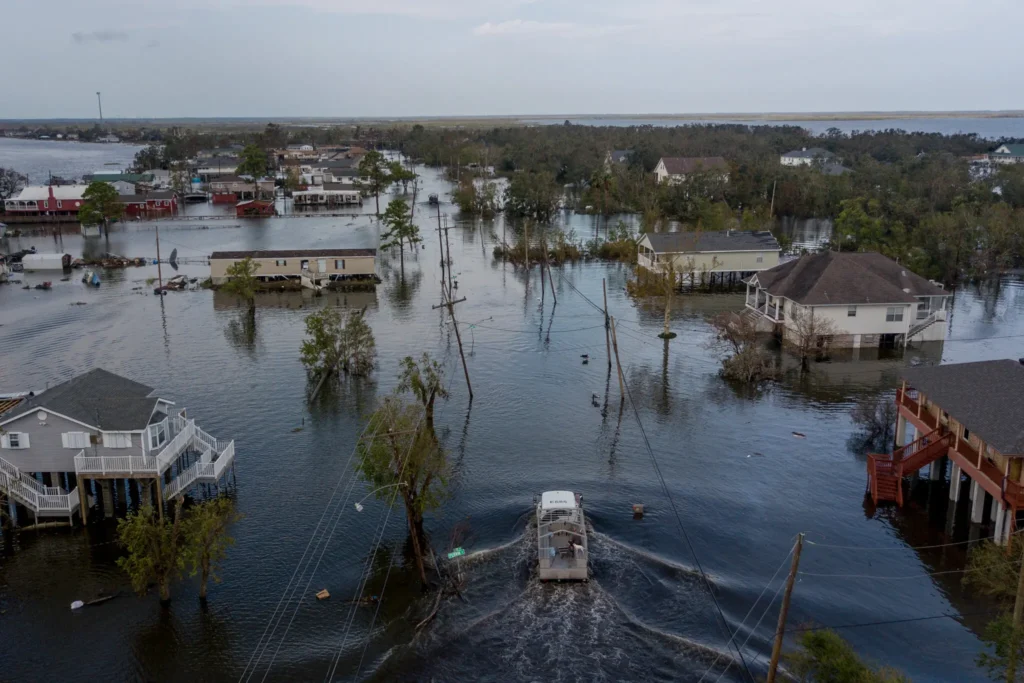
The aftermath of a hurricane can be overwhelming, especially when it comes to ensuring your property is properly protected. In the critical first 48 hours after the storm passes, how you act can make the difference between a smooth insurance claim and a costly, prolonged dispute. Many homeowners fail to realize the importance of acting quickly to protect their hurricane damage claim.
 1. Document All Visible Damage
One of the most crucial things to do after a storm is to document all visible damage. Even before making any repairs, take comprehensive photos and videos of the affected areas. This includes damage to the roof, walls, windows, doors, and any outdoor structures like fences or sheds. Be sure to focus on all affected items that could potentially be included in your hurricane damage insurance claim help.
Why This Matters:
Proper documentation is essential to ensure your insurance claim is processed smoothly. Without adequate proof of damage, your insurer may be reluctant to approve a full payout. Taking the time to capture all visible damage early on can protect your interests and prevent disputes later in the claims process.
 2. Avoid Quick Fixes and Unapproved Repairs
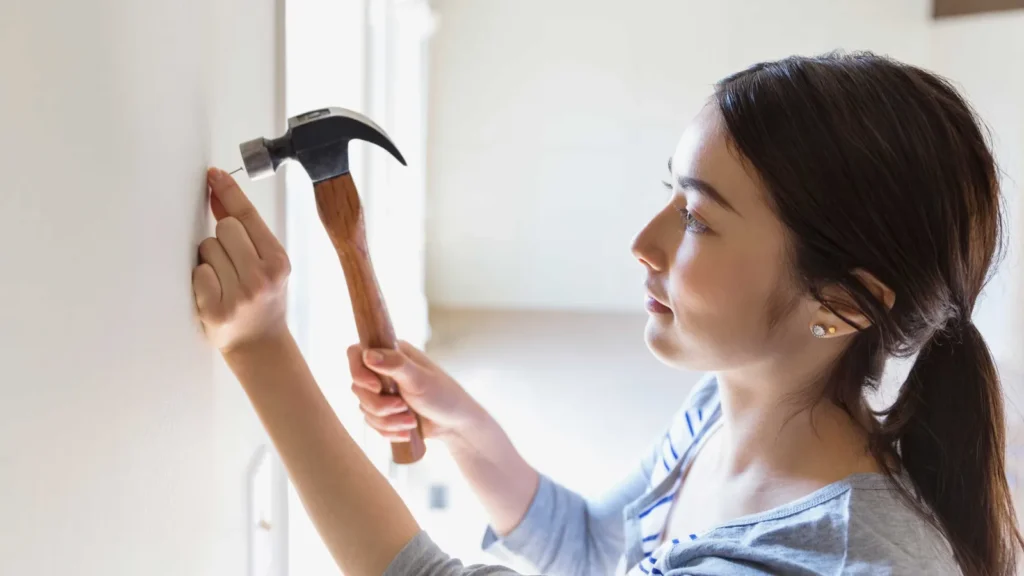
After a Storm, it’s tempting to immediately begin making repairs. However, making repairs before contacting your insurance company can lead to a denied claim or reduced payout. Most policies require that you take temporary measures to prevent further damage, but permanent repairs should only be made after your insurance adjuster has evaluated the damage.
What to Do Instead:
- Tarp the roof to prevent further water damage.
- Board up windows if they are broken or cracked.
- Cover holes or gaps with plastic sheeting or other waterproof materials to avoid worsening the damage.
Taking these temporary measures can help prevent additional damage and protect your claim, without jeopardizing your ability to get full compensation.
 3. Contact a Public Adjuster Early
Hire public adjuster for hurric ane damage, who can works on your behalf to evaluate and document the damage, ensuring you receive the full compensation you deserve. Unlike the insurance company’s adjuster, who represents the insurer’s interests, a public adjuster works on your behalf as the policyholder.
Why Hire a Public Adjuster?
- Expert Evaluation: They can identify hidden damage and help ensure nothing is overlooked in your storm-related coverage request.
- Maximized Compensation: Public adjusters understand how to navigate complex insurance policies and often help homeowners secure higher payouts than they would on their own.
- Claims Assistance: They can also handle communication with your insurance company, which can alleviate some of the stress during a challenging time.
Hiring a public adjuster early on can make a significant difference in the final outcome of your claim.
 4. Avoid Common Mistakes That Can Weaken Your Claim
There are several common mistakes that can negatively affect your hurricane damage insurance claim help. Here’s what to avoid:
- Failing to fully document the damage: As mentioned earlier, without proper evidence of the damage, your claim may be denied or underpaid.
- Making repairs before your insurer’s inspection: Doing so can result in a reduction in the payout or the denial of your claim.
- Settling too quickly: Insurers may offer an initial settlement that is far below the full value of the damage. Always consult with your public adjuster before accepting any offers.
Being aware of these pitfalls and avoiding them can help ensure a smooth process and full compensation for your property damage.
 5. File Your Insurance Claim Promptly
It’s important to file your protection claim as soon as possible after the storm. The longer you wait, the harder it may be to prove the extent of the damage, and the more likely it is that your insurer may attempt to dispute your claim. Be sure to follow the steps outlined in your policy and provide all necessary documentation, including photographs, videos, and estimates from contractors if required.
 How a Public Adjuster Advocates for You
A public adjuster plays a key role in making sure your claim is handled fairly and efficiently. They will:
- Provide an Accurate Damage Assessment: Claims adjusters know how to properly evaluate damage, ensuring all issues are documented, even those that might not be immediately visible.
- Negotiate with Your Insurance Company: If your insurer denies or underpays your claim, a public adjuster will fight for a better settlement, ensuring you’re not left to cover out-of-pocket expenses.
- Guide You Through the Claims Process: Navigating the security claims process can be overwhelming, especially after a disaster. A public adjuster will be there every step of the way to answer your questions and provide guidance.
With their expertise, a claims consultant helps maximize the outcome of your claim and ensures you receive the compensation you’re entitled to.
 Protect Your Home and Your Wallet After a Hurricane
The first 48 hours after a hurricane are critical when it comes to protecting your hurricane damage claim. Acting quickly, documenting everything, avoiding immediate repairs, and consulting a public adjuster are key steps to ensuring you’re fully compensated for the damage. By being proactive and aware of common mistakes, you can navigate the claims process more effectively and avoid unnecessary financial stress.