
 How to Document Damage with Photos
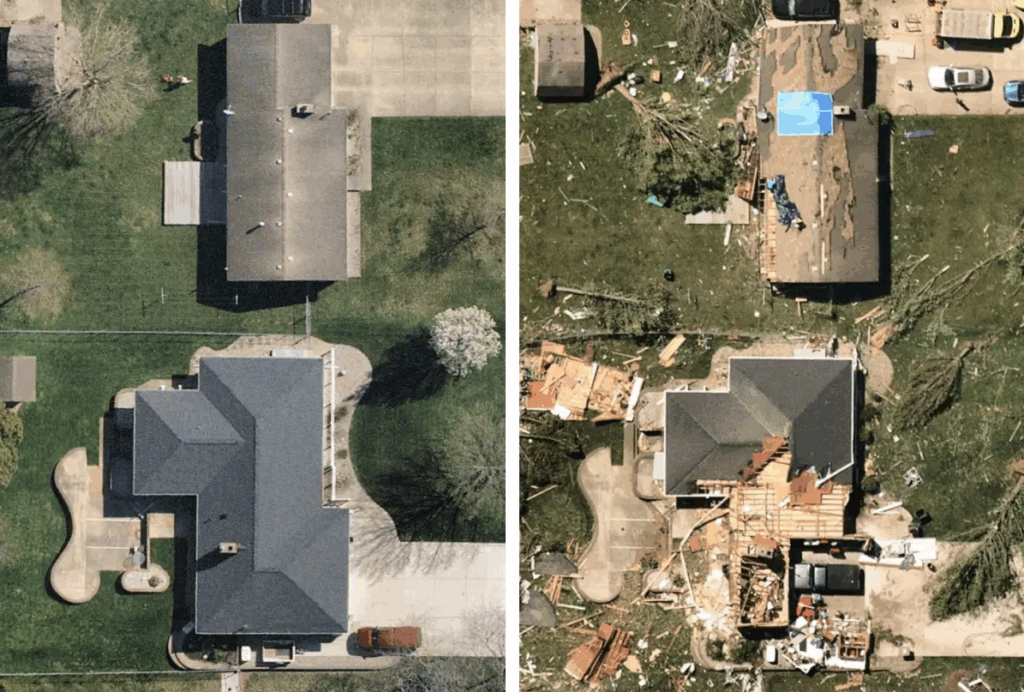
When it comes to filing an insurance claim, thorough documentation is key to ensuring you receive the full compensation you’re entitled to. One of the most important elements of this documentation is photographic evidence, especially when dealing with property damage. Insurance claim photos are often the most powerful tool in proving the extent of damage, whether it’s from a natural disaster, accident, or another covered event. In particular, before and after photos insurance is an essential part of the process, as they show a clear comparison of the property’s condition before the damage and after the necessary repairs.
 Why Damage Documentation Is Critical
Accurate documentation provides a comprehensive record of the damage, which serves as a key piece of evidence for your insurance claim. Insurance companies rely heavily on this evidence to determine the amount of compensation to offer. Inadequate or poorly documented evidence could result in a lower payout or even a denied claim. By taking detailed insurance claim photos, you not only protect yourself but also ensure that you can present a strong case for the insurance company’s review.
Additionally, proper damage documentation tips can help avoid disputes with the insurer. It’s not just about capturing the damage; it’s about showing it in a way that demonstrates the severity and ensures that no detail is overlooked.
 The Role of Before and After Photos in Insurance Claims
Before and after photos insurance are some of the most useful documentation tools when it comes to proving damage. The “before” photos capture the state of your property before the event that caused the damage, and the “after” photos show the condition of the property after repairs have been made.
The key to using before and after photos effectively is to take clear and comprehensive images from multiple angles. The clearer your pictures are, the easier it will be for the insurance company to assess the damages. Here are some tips for capturing effective insurance claim photos:
Take wide-angle shots: This helps show the full extent of the damage, including surrounding areas.
Capture close-up details: Focus on specific areas that are most affected, such as broken windows, cracks, or other visible damage.
Show the repair process: If repairs have already begun, it’s important to capture the work done so far. This can demonstrate that efforts are being made to restore the property.
Include timestamps: If possible, use a camera or smartphone that allows you to include timestamps in your photos. This helps establish when the photos were taken and adds credibility to your documentation.
By providing a visual timeline of the damage, before and after photos insurance allow both you and the insurer to compare the property’s condition before the incident and after repairs, helping ensure a more accurate payout.
 Tips for Effective Damage Documentation
Aside from taking clear insurance claim photos, there are other damage documentation tips that will help strengthen your case:
Take multiple photos from different angles: Ensure you cover the full extent of the damage by photographing each area from several perspectives. This can give the insurer a complete view of the situation.
Don’t throw anything away: Keep all damaged items, even if they appear to be beyond repair. This includes furniture, appliances, or any items you plan to claim for. The insurer may need to inspect them.
Document any temporary repairs: If you need to make temporary repairs to prevent further damage (e.g., boarding up windows or patching a roof), take pictures of these actions as well.
Label your photos: When uploading or printing your photos, label them to make it clear what each one represents (e.g., “broken window,” “water damage on carpet”). This will help the insurance adjuster understand the context of each image.
 The Importance of Working with a Public Adjuster

While documenting the damage is a crucial part of the claims process, working with a public adjuster documentation expert can significantly improve your claim outcome. A public adjuster is a professional who represents your interests, ensuring that all damage is accurately assessed and properly documented. They can assist you in organizing your claim evidence and ensuring that your claim is submitted with all necessary details, including comprehensive photos.
A public adjuster can also help in identifying hidden damage that you might have missed. Sometimes, damage may not be immediately visible and could require specialized knowledge to detect. By working with a public adjuster, you gain access to their expertise in identifying and documenting damage that could otherwise go unnoticed, increasing your chances of securing a fair payout.
Additionally, a public adjuster can negotiate with the insurance company on your behalf, ensuring that your claim is handled properly. This can be particularly useful when dealing with complex claims where extensive documentation is needed.
 Avoiding Common Pitfalls in Damage Documentation

One of the most common mistakes homeowners make when documenting damage is failing to capture enough detail. If your photos are blurry or not wide enough, it can make it harder for the insurer to understand the full extent of the damage. Be sure to take photos at various distances and ensure that they are sharp and clear.
Another common issue is not taking photos before making temporary repairs. While it’s important to mitigate further damage, always document the state of the damage before you start any cleanup or repairs. This way, the insurer can see the initial condition of the property.
Finally, be sure to follow any specific guidelines your insurance provider gives regarding documentation. Some insurers may have specific requirements for how claims should be documented, and failing to follow these guidelines could delay or even jeopardize your claim.