
Should You Let a Roofer Handle Your Insurance Claim? 🏠💼
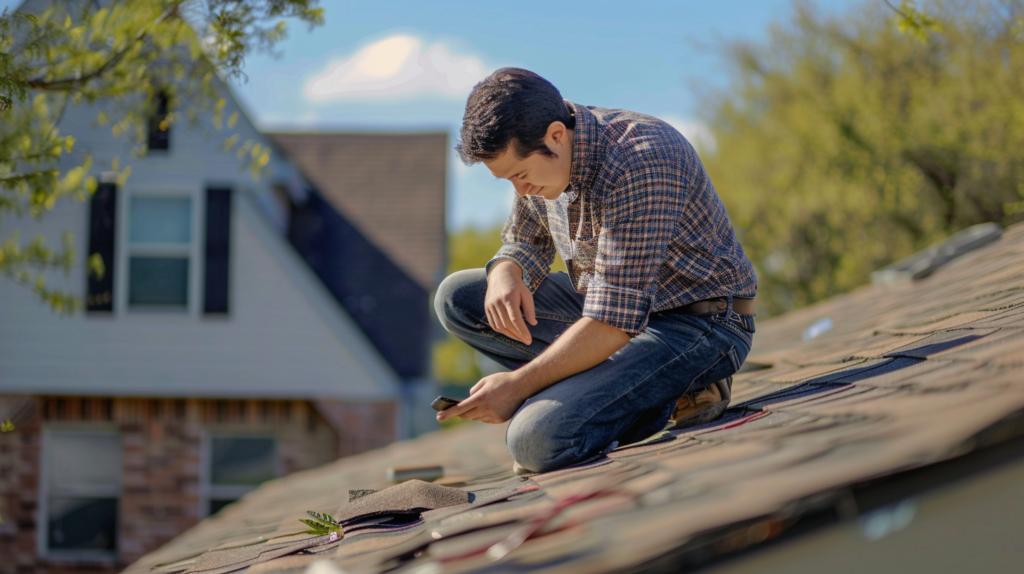
When your roof is damaged—whether from hail, hurricanes, or wear and tear—it’s tempting to let your roofer handle the insurance claim process. But here’s the truth: roofers are not licensed to adjust or negotiate insurance claims, and relying on them could cost you your full roof replacement and more.
🚫 Why Roofers Shouldn’t Handle Your Roof Damage Insurance Claim
Roofers are skilled at installation and repairs—but they are not insurance professionals. In many states, including Florida, it is illegal for roofers to adjust, solicit, or negotiate insurance claims.
Even if well-intentioned, most contractors simply don’t have the training or experience to properly interpret policy language or advocate for the full scope of your claim.
This lack of insurance knowledge can lead to:
Underestimated damage
Partial repairs when full replacements are warranted
Missed damage to interiors, siding, gutters, and windows
Out-of-pocket expenses for repairs that should have been covered
🔍 The Role of a Public Adjuster in Roof Damage Claims
A licensed public adjuster works solely for you—not the roofer, and not the insurance company. Their job is to:
Perform a full inspection (roof, attic, interior, gutters, siding, windows, etc.)
Document and photograph all damage
Review and interpret your insurance policy
Submit and negotiate the claim on your behalf
Unlike roofers, adjusters are trained to spot and include damage that often goes overlooked, especially on high-value components of your home.
🔧 Roofers Repair Roofs—Adjusters Handle Insurance
A typical roofer will inspect only the roof surface. But what about:
Water damage inside your ceiling?
Mold or compromised insulation?
Damage to windows or siding?
These issues are often excluded or underpaid when a roofer submits the scope. Only an adjuster is equipped to investigate the full extent of the loss and include it in your insurance claim.
🛡️ Don’t Let a Patch Job Cost You a Roof Replacement
Choosing the wrong advocate can leave you with a band-aid repair instead of the full restoration you deserve. Insurers often lowball claims when they know a homeowner isn’t represented—especially when a roofer submits a basic estimate without documentation, code requirements, or policy knowledge.
Letting your roofer handle your claim might feel convenient, but it could result in:
Denied or underpaid claims
Long-term leaks or structural issues
Out-of-pocket costs that should’ve been covered
💡 Work With a Licensed Public Adjuster From Day One
Before you file a roof insurance claim—or let your contractor speak on your behalf—speak with a licensed public adjuster.
Paladin Public Adjusters helps homeowners:
Get full roof replacements
Avoid lowball insurance payouts
Understand and enforce their policy rights
📞 Need Help With a Roof Damage Insurance Claim?
Don’t settle for less. If your home has roof damage and you’re unsure about your next step, contact Paladin Public Adjusters. We’ll give you a free claim evaluation, inspect for total damage, and help you fight for every dollar you’re owed.