

🦠 Spot Termite Damage Before It Costs You Big 💸
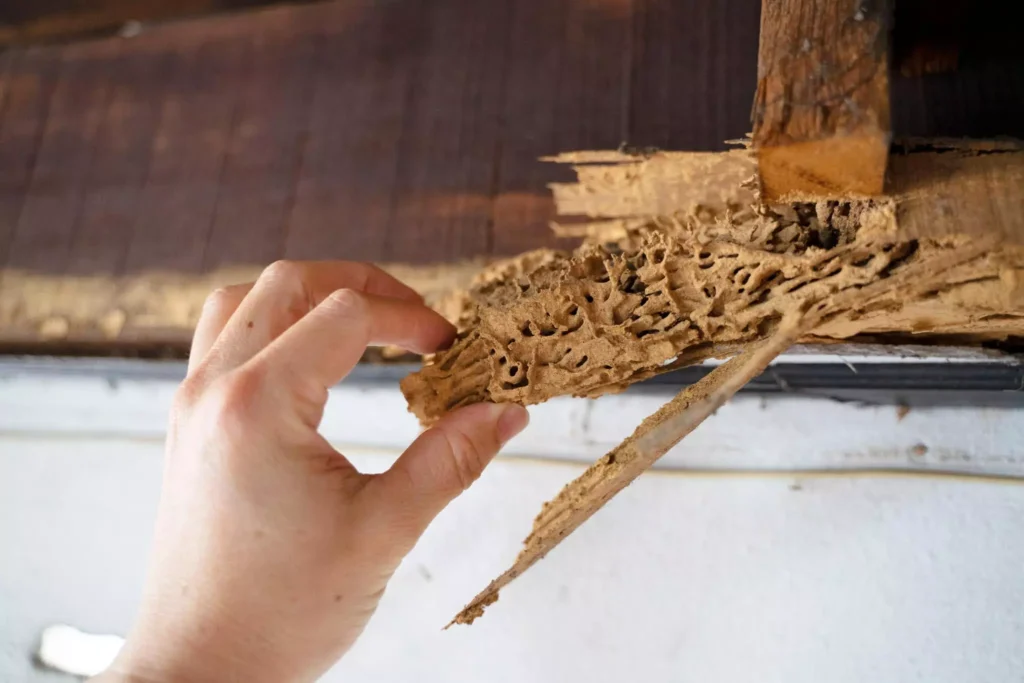
Termites are often called “silent destroyers” because they can wreak havoc on your home without you even knowing it. Their damage is often hidden within the walls, under the flooring, or deep in your attic. By the time the damage becomes noticeable, it can be a costly repair job. If you’re a homeowner, it’s critical to know how to spot termite damage early to avoid a financial nightmare.
🛠️ How Termites Damage Your Home 🏚️
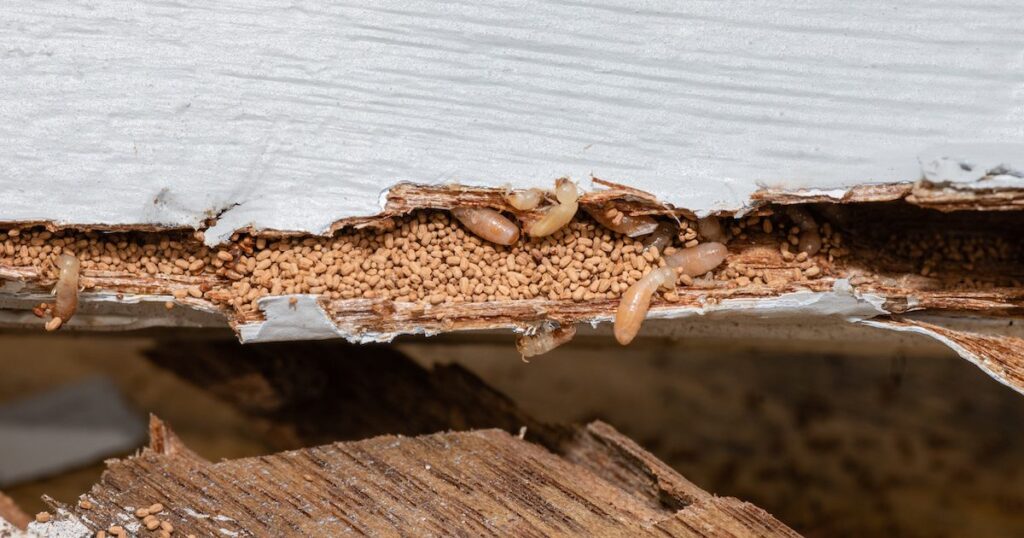
Termites feed on wood and other cellulose materials, and over time, their continuous activity can undermine the structural integrity of your home. Damage from termites can be extensive, often going unnoticed until it’s too late. Common signs of termite damage include:
Hollowed-out Wood: Pest insects consume wood from the inside out, leaving thin outer layers intact. This makes it hard to detect the damage without a thorough inspection.
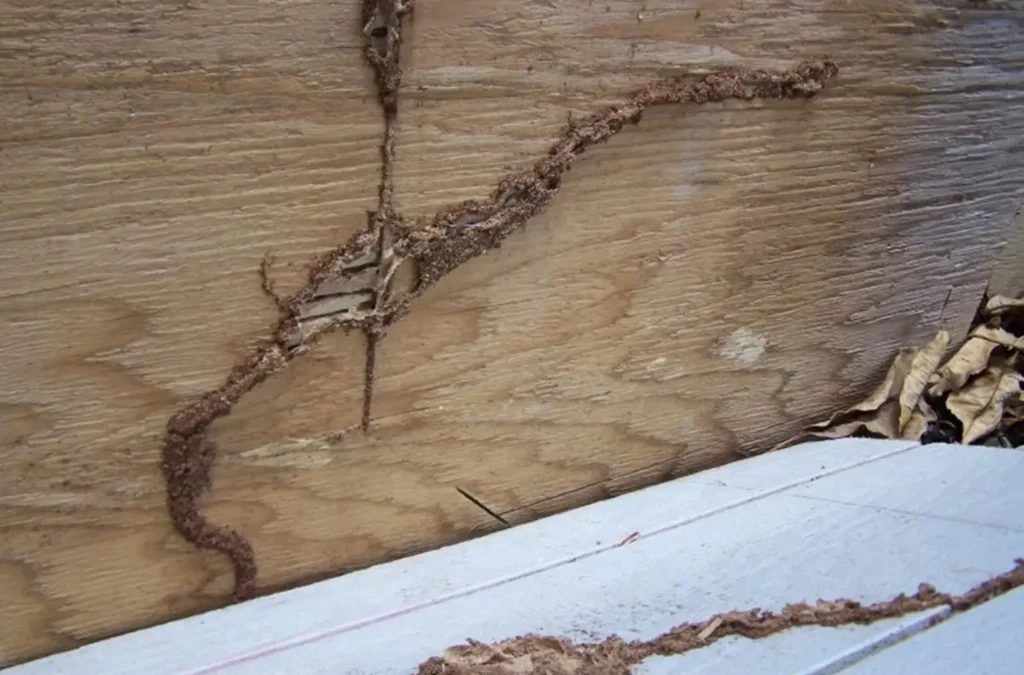
Mud Tubes: These are visible signs that termites use to travel between their nests and food sources. If you spot mud tubes along your foundation or walls, termites are likely nearby.
Discarded Wings: Wood-damaging insects swarm in the spring, shedding their wings. If you find clusters of discarded wings near windows or doors, it’s a red flag.
Buckling Floors: Termite wreck in the floor structure can cause buckling or sagging areas, especially around the baseboards.
If you notice any of these signs, it’s important to take immediate action before the damage becomes irreparable.
🔍 Why Termite Damage Often Goes Unnoticed 🏚️
Wood-damaging insects can be difficult to detect. They often operate unseen in the walls, ceilings, or floors of your home, making early detection a challenge. By the time visible signs appear, the damage may be severe enough to cause structural issues. The issue is compounded by the fact that wood-eating insect deface doesn’t always affect the most obvious parts of your home. The damage may be hidden behind drywall or under the flooring, where it’s not immediately visible.
Unfortunately, many homeowners wait until they notice serious issues, such as cracks in the walls or doors that no longer close properly. But at this point, the damage may already be extensive, leading to expensive repairs.
📑 Does Home Insurance Cover Termite Damage? 🏠
Many homeowners wonder, “Does home coverage cover termite harm?” The answer, unfortunately, is usually no. Most standard homeowner’s insurance policies do not cover damage from termites. Insurance providers often consider termite damage as preventable with proper maintenance, so if you fail to address an infestation early, you may be left with the bill.
However, some policies may cover termite damage if the infestation results in other covered perils, such as fire or storm damage. But this depends on the specific terms of your policy. That’s why it’s important to understand your homeowner’s insurance policy and its exclusions when it comes to pests like termites.
🛡️ What to Do if You Suspect Termite Damage 🕵️♂️
If you believe you have a termite infestation, it’s critical to act quickly to minimize the damage. Here’s what you should do:
Contact a Pest Control Expert
As soon as you notice signs of termites, contact a pest control professional to inspect your home. A professional can identify the source of the infestation and begin treatment to eradicate the termites before they cause more harm.
Assess the Damage
After the termites are dealt with, it’s time to assess the damage. Look for areas of your home that may need repair, including wood framing, flooring, and walls. A professional inspection will help identify the full scope of the damage.
File a Claim with Your Insurance Provider
While home insurance typically doesn’t cover structural deterioration, if there are secondary damages, your policy may help cover the repairs. Consult with a public adjuster to ensure your claim is properly documented.
Prevent Future Infestations
Prevention is the key to protecting your home from termites in the future. Regular inspections, proper drainage, and sealing cracks and crevices around your house can help prevent another infestation from taking hold.
📝 Why Early Detection Saves You Money 💰
Identifying termite damage early can save you thousands of dollars in repairs. When termites are allowed to remain in your home for months or even years, they can cause irreparable harm to your home’s structure. Early detection ensures that the problem is addressed before it intensifies into a full-blown crisis.
While the cost of regular termite inspections may seem like an added expense, it’s a small price to pay compared to the high cost of extensive structural repairs. Don’t wait for visible wear and tear to appear make termite inspections a regular part of your home maintenance routine.
🏠 Protecting Your Home from Termite Damage 💼
Taking proactive steps to protect your home from termites is essential. Regular inspections, proper maintenance, and quick action when you detect any signs of wear and tear are pivotal to keeping your home safe. If you’re facing issues with termite damage or any related insurance claims, consulting with a public adjuster can help you navigate the process and ensure you’re fully compensated for any structural issues that arise due to pest infestations.
By staying vigilant and addressing issues before they become major problems, you can avoid the costly repairs and headaches that come with termite damage.