

🌪️ Tornado Damage Claims Explained
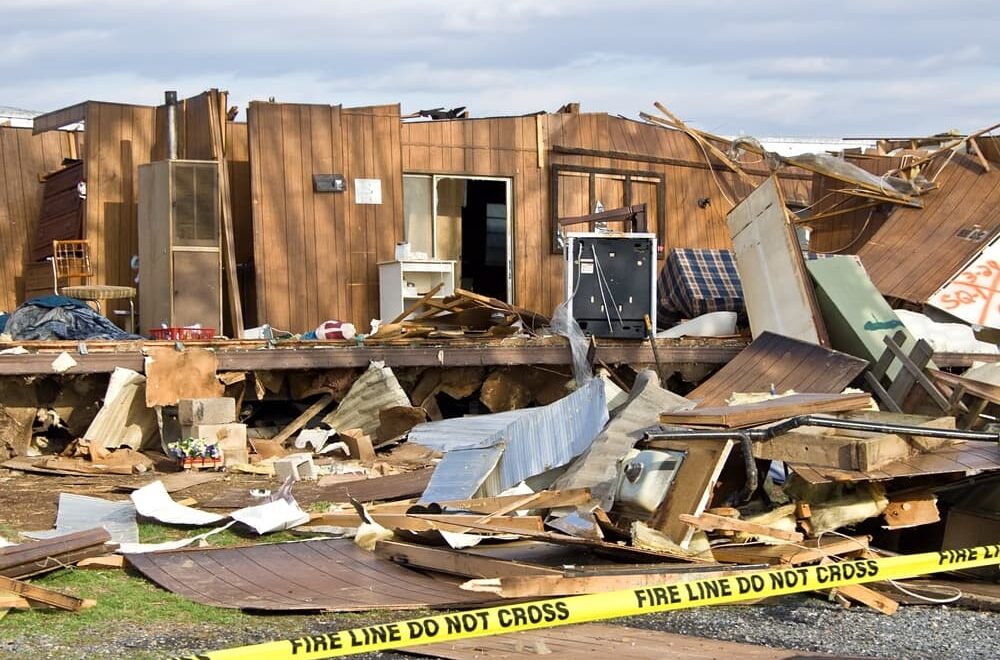
Tornadoes are unpredictable forces of nature that can wreak havoc on property. When they strike, they cause destruction that is both obvious and hidden. While the immediate damage may be visible, proving the structural impact often requires a deeper inspection. Understanding how to properly document and prove tornado damage for your insurance claim can be the difference between a fair settlement and an undervalued payout.
🧱 Assessing the Full Extent of Tornado Damage
While many think of a tornado’s damage as being easily identifiable, the true scope can often go unnoticed. Structural damage claims require more than just identifying broken windows or roof shingles scattered around. The force of tornado winds can cause subtle but significant harm to your home’s framework, foundation, and other vital components that may not be immediately apparent.
These damages include cracking in the foundation, stress on load-bearing walls, or even weakening of support beams. They might not be visible right away but could lead to significant issues in the future if left unaddressed. To ensure you file a comprehensive tornado property claim, it is essential to conduct a thorough inspection, going beyond what the eye can see.
🧾 How to Prove Structural Damage After a Tornado
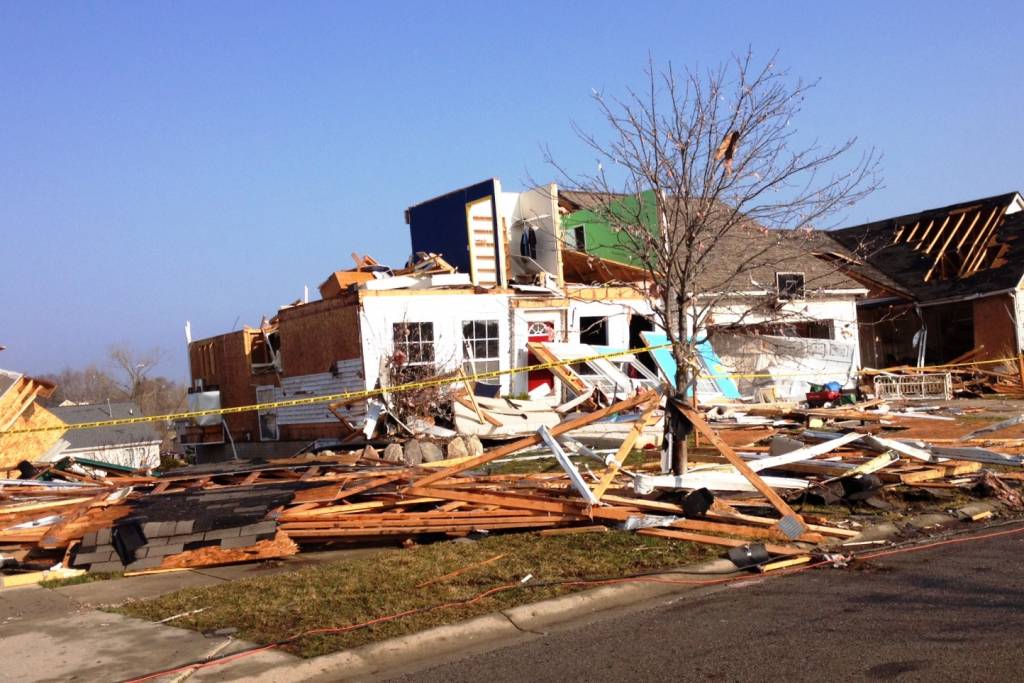
When you’re filing a tornado damage insurance claim, proving the structural impact can be a challenging task. The extent of damage to the foundation or framing may not be apparent from the surface level, which is why a proper evaluation is needed. This is where the expertise of a public adjuster tornado comes into play.
A professional public adjuster is well-versed in identifying less obvious signs of structural damage. They have the tools and knowledge to ensure that nothing is overlooked, from tiny cracks in walls to compromised foundations that could cause serious long-term damage.
For instance, a public adjuster will look for signs of stress that may not be immediately noticeable. These include the shifting of structural components or the gradual settlement of the foundation that may take time to manifest. By documenting these less visible issues, a public adjuster can help you build a stronger case for your insurance claim, increasing the likelihood of a fair payout.
🧑💼 The Role of a Public Adjuster in Insurance Claims

When a tornado strikes, homeowners often face the daunting task of managing a property claim. A public adjuster specializing in tornado damage insurance can help take this burden off your shoulders. They work directly for the policyholder, unlike the insurance company’s adjuster, whose primary goal is to minimize the payout.
By hiring a public adjuster, you get an expert who will fight for your interests, ensuring that all damages, both obvious and subtle, are documented accurately. They can assist in reviewing the damage, advising on proper documentation, and handling the negotiations with the insurance company. The expertise they offer can be critical in ensuring you receive the compensation you’re entitled to.
🔎 Documenting Less Obvious Damage
One of the most challenging aspects of a tornado property claim is proving less obvious structural issues. Common damages that might not be immediately visible include:
Cracking in the foundation – Tornado winds can cause shifts in the earth, which might lead to cracks in the foundation over time.
Warping or bowing of walls – Winds of up to 200 mph can cause wood and metal structures to shift, leading to permanent distortion.
Roof rafter stress – Even if the roof looks intact, the rafters might have sustained hidden damage that could cause issues down the line.
These less visible damages often require expert knowledge to identify and document. Without this, your claim may be underappreciated, and you could risk receiving a settlement that doesn’t fully reflect the damage.
📝 Insurance Claim Tips for Homeowners
When filing a structural damage claim, it is essential to follow a structured process to ensure that you gather the correct information and avoid pitfalls:
Document everything – Take photos of any visible damage. The more evidence you have, the better.
Inspect hidden areas – Tornado damage might extend beyond what you can see. Hire professionals, like a public adjuster, to inspect hidden areas such as the attic, basement, and foundation.
Avoid quick settlements – Don’t rush to accept the first offer from your insurance company. It’s essential to ensure all damages are accounted for.
Get expert evaluations – Work with structural engineers or other experts who can provide insight into damage that may not be visible right away.
By following these tips, you can improve the accuracy and success of your tornado damage insurance claim, ensuring you get the compensation necessary to repair your property.
🚫 Why You Shouldn’t Handle Claims Alone
While some homeowners may be tempted to handle a tornado property claim independently, the complexities of tornado damage often require a more expert approach. This is particularly true when dealing with structural damage that is not immediately visible. Public adjusters specialize in identifying and valuing all forms of damage, ensuring that nothing gets overlooked.
By consulting with an expert, you ensure that every part of your claim is handled with care and accuracy. They will guide you through the often-complex insurance processes and ensure that your rights are protected.
💰 Getting Fair Compensation
At the end of the day, a tornado’s impact on your property can be both emotionally and financially overwhelming. A public adjuster tornado can provide invaluable support during this difficult time. Their knowledge of insurance policies, claim procedures, and damage evaluation ensures that you don’t settle for less than what you deserve.
Whether it’s ensuring that hidden structural damage is included in your claim or guiding you through the negotiation process, having a public adjuster by your side can make all the difference. They are your advocate, ensuring you receive fair compensation that reflects the full extent of the damage caused by the tornado.